


TOP FOR SKIN & COAT

Showing the full catalog filtered to Senior Cat.


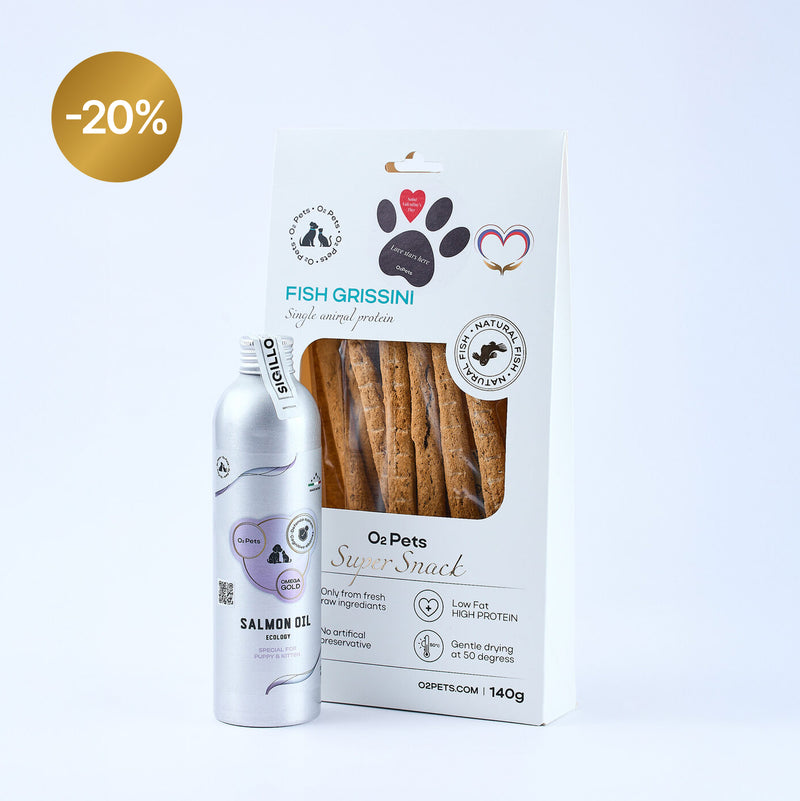










Cats tend to age differently than dogs — where senior dogs often gain weight, cats more commonly lose it, and changes like reduced appetite or a duller coat can be easy to write off as “just getting older.” O2Pets' Senior formula for cats combines Norwegian salmon oil with antioxidants to support joints, cognitive function and general vitality, alongside the kind of regular vet monitoring that matters more in a cat's senior years than at any earlier stage.
Where senior dogs commonly gain weight as their metabolism slows, senior cats more often lose it — through reduced appetite, muscle loss, or age-related changes that are worth a vet's attention rather than assuming it's simply age. Kidney function also naturally declines in a meaningful share of aging cats, which is a large part of why regular senior checkups typically include monitoring for kidney disease. Joint stiffness is common too, but cats rarely show it as obviously as dogs — less jumping and reduced grooming are the more typical signs. Cognitive changes can also appear, similar to dogs.
Easily digestible, high-quality protein supports the muscle mass senior cats tend to lose. Omega-3 fatty acids from Norwegian salmon oil support joints, cardiovascular health and cognitive function together. If your cat has already been diagnosed with kidney disease, a vet-prescribed renal diet with controlled phosphorus takes priority over general supplementation — this formula is designed for everyday senior wellness, not as a replacement for that kind of targeted veterinary nutrition.
Senior cats benefit from more frequent vet visits than younger adults — many vets recommend every six months rather than annually, partly to track weight, kidney function and mobility changes over time rather than waiting for an obvious problem. If your cat is already on prescription medication or a therapeutic diet, mention any supplement you're considering so your vet has the complete picture. Joint stiffness specifically is covered in more depth in our dedicated collection, and for cats not yet at this stage, our Regular formula covers the same foundation.
Unlike dogs, cats more commonly lose weight as they age, often due to reduced appetite, muscle loss, or age-related organ changes. Unexplained weight loss in a senior cat is always worth a vet visit rather than assuming it's simply aging.
Kidney function naturally declines with age in many cats — it's common enough that regular senior vet checks typically include kidney monitoring as standard practice, not because something is necessarily wrong, but because catching changes early makes a real difference.
Check with your vet first — prescription renal diets are carefully balanced for phosphorus and protein, and your vet needs the full picture of anything else you're adding.
Omega-3s and antioxidants are commonly included in senior cat formulas to support brain health, but behavioral changes in cats can also come from pain, thyroid issues, or other treatable conditions — worth a vet visit before assuming it's cognitive aging alone.
Reduced jumping, avoiding stairs, sleeping more, and grooming less thoroughly — cats rarely limp even with significant joint discomfort, so these subtler behavioral signs matter more. See our Joints - Cat collection for more detail.
Many vets recommend twice-yearly checkups for senior cats rather than the annual visit typical for younger adults, partly to monitor kidney function and weight trends over time.
We will give an advice and help you select the oil with the consideration of your pet's individual needs and peculiarities

Tell us about your pet and we will help you choose the right product
